


Getting the Right Offshore Rack Space Quote: Pricing Offshore Rack Solutions
- Bianca Zecca

- Mar 24
- 4 min read
Securing data offshore requires more than just finding a provider. It demands understanding the pricing structure behind offshore rack solutions. I have seen many businesses struggle to get clear, accurate quotes. This post breaks down the essentials. It guides you through obtaining the right offshore rack space quote. You will learn how to evaluate pricing offshore rack solutions effectively. This knowledge helps you make informed decisions that protect your data and budget.
Understanding Pricing Offshore Rack Solutions
Pricing offshore rack solutions varies widely. It depends on several factors that influence the final cost. These include location, security features, power consumption, and service level agreements. I always recommend starting with a clear list of your requirements. This helps providers tailor their quotes to your needs.
Key components affecting pricing include:
Rack size and type: Full racks cost more than partial racks or cabinets.
Power usage: Higher power demands increase costs.
Bandwidth and connectivity: Faster, dedicated connections add to the price.
Security measures: Enhanced physical and network security raise expenses.
Support and maintenance: 24/7 support and proactive monitoring come at a premium.
When requesting a quote, ask providers to break down these elements. This transparency allows you to compare offers accurately. Avoid quotes that lump all costs into a single figure without explanation.

Key Questions to Ask When Requesting a Quote
Getting the right offshore rack space quote requires asking the right questions. I always prepare a checklist before contacting providers. This ensures no critical detail is overlooked.
Here are essential questions to include:
What is included in the rack space rental?
Clarify if the quote covers only physical space or also power, cooling, and network access.
Are there any setup or installation fees?
Some providers charge upfront fees for rack installation or equipment setup.
What are the power specifications and costs?
Understand the power allocation per rack and how overages are billed.
How is bandwidth priced?
Confirm if bandwidth is metered or flat-rate and what speeds are available.
What security certifications does the facility hold?
Certifications like ISO 27001 or SOC 2 indicate strong security practices.
What support services are included?
Check if remote hands, monitoring, and emergency response are part of the package.
Are there penalties for contract termination or changes?
Know the terms for contract flexibility or early termination fees.
By getting clear answers, you avoid surprises later. This also helps you assess the provider’s professionalism and transparency.
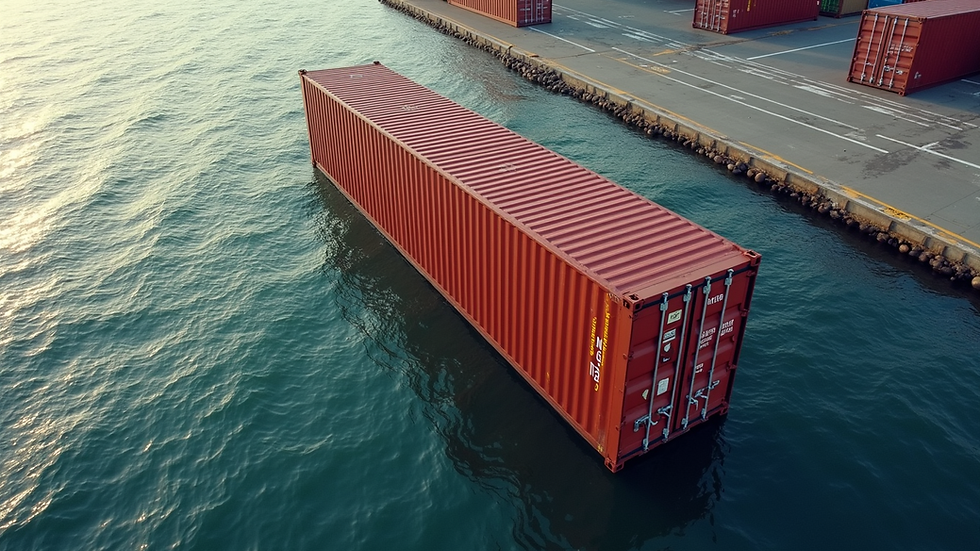
How much does a 40 feet container cost?
For businesses considering containerized data centers offshore, understanding the cost of a 40 feet container is crucial. These containers serve as modular data center units, offering flexibility and scalability.
The price of a 40 feet container varies based on:
Customization level: Basic containers cost less than those fully outfitted with cooling, power, and racks.
Location and shipping: Transporting containers offshore adds to the cost.
Installation and commissioning: On-site setup and integration require additional investment.
Typical costs range from $50,000 to over $150,000 per container. This includes the container shell, internal infrastructure, and basic networking. Additional features like advanced cooling or redundant power increase the price.
When budgeting, factor in ongoing operational costs such as power consumption, maintenance, and security monitoring. These impact the total cost of ownership significantly.
Evaluating the Total Cost of Ownership
A quote is just the starting point. I always advise looking beyond the initial price. The total cost of ownership (TCO) includes all expenses over the contract period. This approach prevents underestimating the investment needed.
Consider these cost elements:
Monthly rental fees: Base cost for rack space and associated services.
Power and cooling charges: Variable costs depending on usage.
Bandwidth and connectivity fees: Monthly or usage-based charges.
Support and maintenance: Costs for technical assistance and hardware upkeep.
Security compliance costs: Fees related to audits or certifications.
Upgrade and expansion costs: Charges for adding capacity or features.
Calculate TCO for at least three years. This timeframe aligns with typical contract lengths. Comparing TCO across providers reveals the best value, not just the lowest upfront price.
Negotiating and Securing the Best Quote
Once you understand pricing offshore rack solutions and have gathered quotes, negotiation becomes key. I recommend approaching this step with clear priorities and flexibility.
Tips for effective negotiation:
Leverage multiple quotes: Use competing offers to negotiate better terms.
Request volume discounts: Larger rack space or longer contracts often qualify for reduced rates.
Ask for bundled services: Combining power, bandwidth, and support can lower costs.
Clarify contract terms: Negotiate penalties, renewal options, and service level agreements.
Seek transparency: Insist on detailed billing and clear escalation paths for issues.
A well-negotiated contract protects your investment and ensures service quality. Do not accept vague or incomplete quotes. Insist on written agreements that reflect all negotiated points.
Final Thoughts on Securing Offshore Rack Space
Choosing the right offshore rack space is a strategic decision. It impacts data security, compliance, and operational efficiency. I have found that thorough research and clear communication with providers are essential.
Remember to:
Define your technical and security requirements upfront.
Request detailed, itemized quotes.
Evaluate total cost of ownership, not just sticker price.
Negotiate terms to align with your business goals.
By following these steps, you secure a reliable offshore rack space solution that meets your needs. This approach supports your commitment to data protection and residency in the Caribbean region.
For a tailored and transparent offshore rack space quote, contact Secure Shore Bahamas. They specialize in secure, compliant offshore data center solutions designed for businesses prioritizing data security and residency.


Comments